Discover Darvel

Darvel people · Alexander Fleming

Before the
world knew
his name,
he knew Darvel.

Alexander Fleming was born at Lochfield, near Darvel, in 1881. His working life took him to London and into the history of medicine, but his story begins in the Irvine Valley.

Read his story
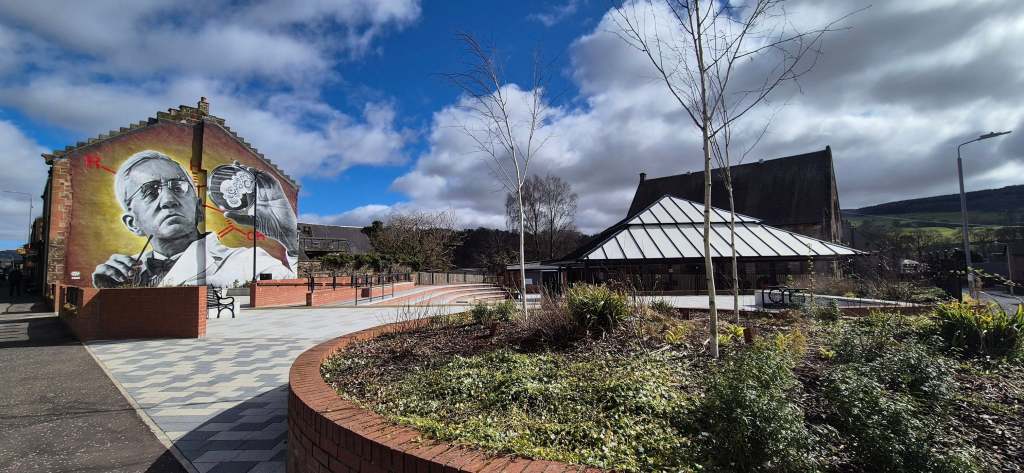
The Alexander Fleming mural beside The Corner in Darvel
Alexander Fleming mural · The Corner, Darvel
01

The early years

Lochfield
to London.

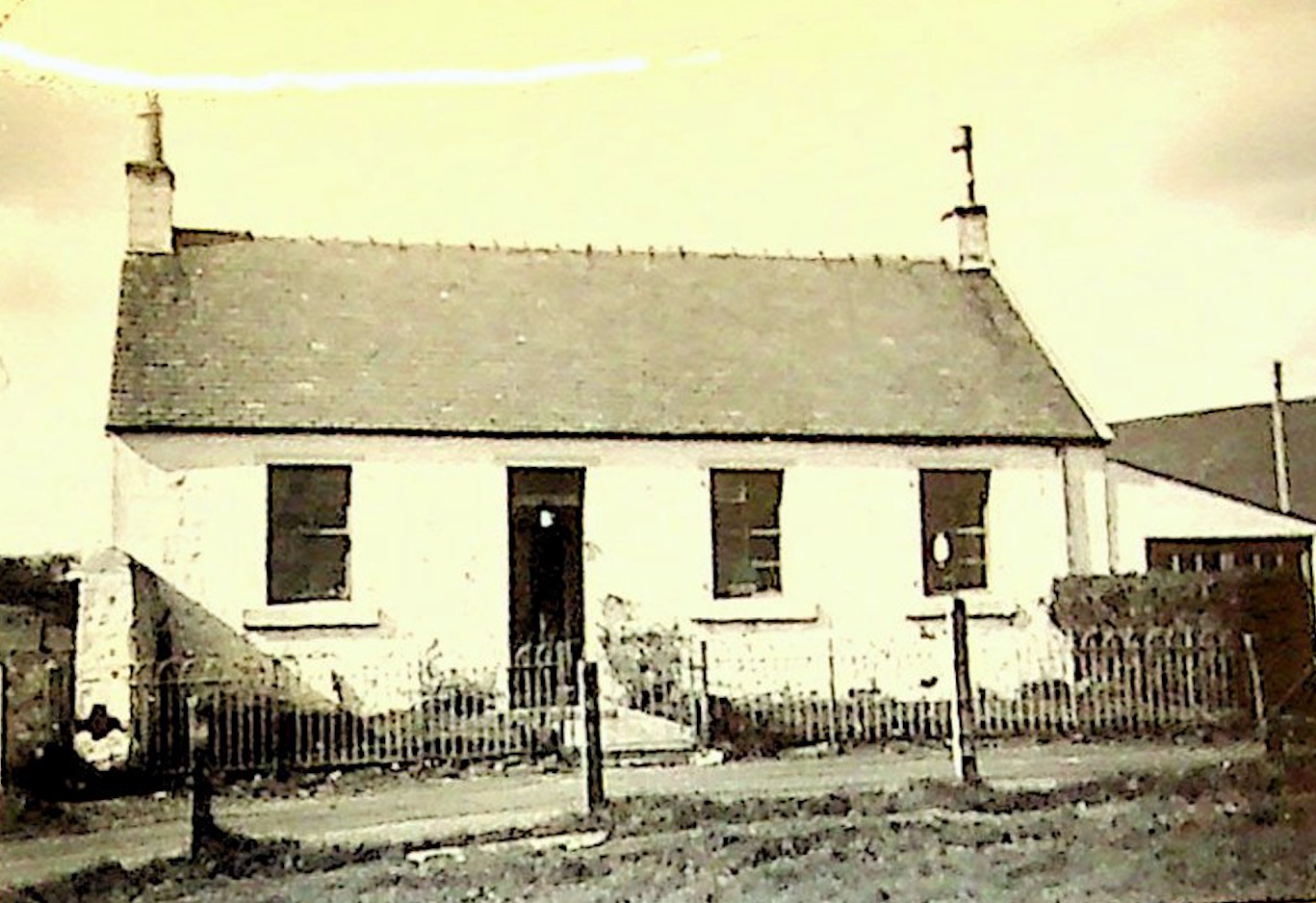
Historic photograph of Loudoun Moor School
Loudoun Moor School

Fleming’s formal education began locally. He attended Loudoun Moor School and Darvel School, then Kilmarnock Academy.

After moving to London he studied at the Polytechnic and spent four years working in a shipping office. Medicine came next. At St Mary’s Medical School he qualified with distinction in 1906 and began research under Sir Almroth Wright, a pioneer of vaccine therapy.

He gained his University of London medical degrees with a gold medal in 1908 and remained at St Mary’s as a lecturer and researcher. The move south was permanent, but Darvel remained the beginning of the story.

02

The work

Observation,
followed by
experiment.

1921

Lysozyme

A natural defence.

Fleming identified a substance in human tissues and secretions that could break down certain bacteria. He called it lysozyme. The work sharpened his interest in antibacterial substances that would not damage the body’s own tissues.

1928

Penicillin

The clear circle.

While studying influenza virus, Fleming noticed mould growing on a culture of staphylococci. Around it was a bacteria-free circle. He investigated further and found that the mould culture still prevented bacterial growth when heavily diluted. He named its active substance penicillin.

Fleming did not stop at the unexpected plate. The significance lay in recognising the effect, testing it and publishing what he found.

03

A working life

The dates tell
only part of it.

1881

Born at Lochfield, near Darvel, on 6 August.

1906

Qualified in medicine with distinction at St Mary’s Medical School.

1908

Gained his University of London medical degrees with a gold medal.

1914–18

Served throughout the First World War as a captain in the Army Medical Corps.

1928

Observed the antibacterial effect of a mould and named the active substance penicillin.

1943–45

Elected a Fellow of the Royal Society, knighted, then awarded the Nobel Prize.

1952

Made his last official visit to Darvel and presented Frank Donnelly with the first Fleming Medal.

1955

Died in London on 11 March and was buried in St Paul’s Cathedral.

04

Recognition

A discovery
shared with
the world.

Fleming shared the 1945 Nobel Prize in Physiology or Medicine with Ernst Boris Chain and Howard Florey for the discovery of penicillin and its curative effect in infectious disease.

It was one honour among many. He became a Fellow of the Royal Society in 1943, was knighted in 1944, served as President of the Society for General Microbiology and was Rector of the University of Edinburgh from 1951 to 1954. Universities across Europe and America awarded him honorary degrees.

The 1945 Nobel Prize
05

Beyond the laboratory

A life larger
than one
discovery.

Service

Fleming served in the London Scottish Regiment from 1900 to 1914. During the First World War he was a captain in the Army Medical Corps and was mentioned in dispatches.

Family

He married Sarah Marion McElroy in 1915; they had a son who became a doctor. Sarah died in 1949. In 1953 Fleming married Dr Amalia Koutsouri-Voureka, a colleague at St Mary’s.

Final years

Fleming died on 11 March 1955. He was buried in St Paul’s Cathedral, an uncommon distinction for a scientist whose work had altered medicine across the world.

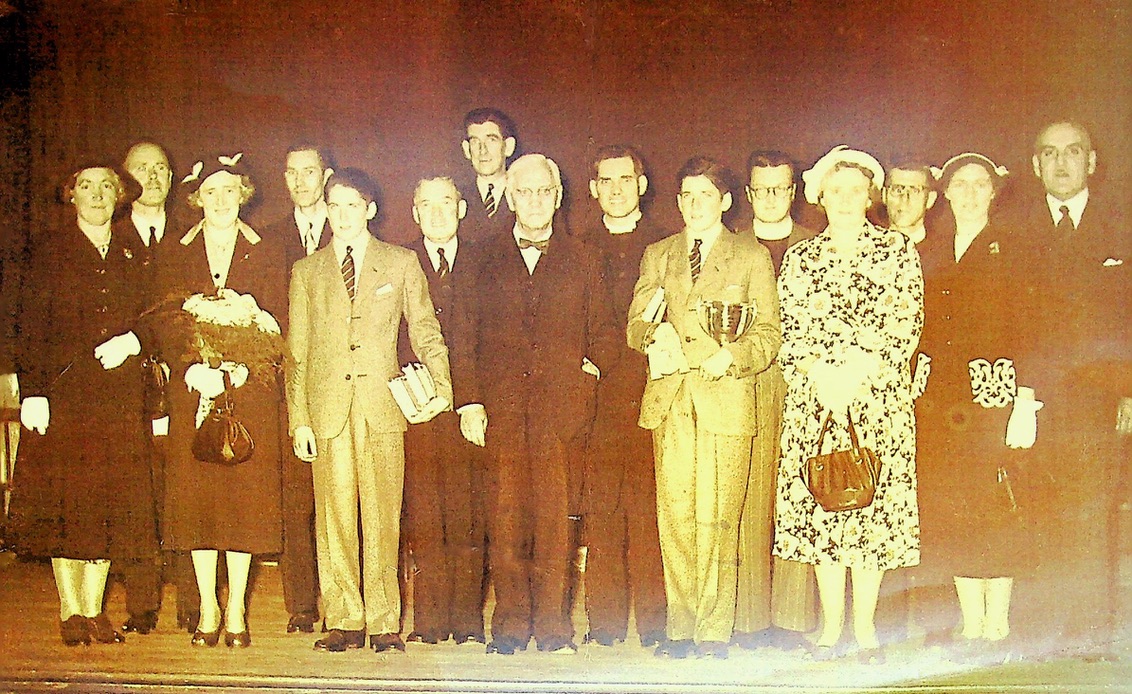
Sir Alexander Fleming with Frank Donnelly and others during Fleming’s 1952 visit to Darvel
Fleming’s final official visit to Darvel · 1952
06

Return to Darvel · 1952

A medal for
the next generation.

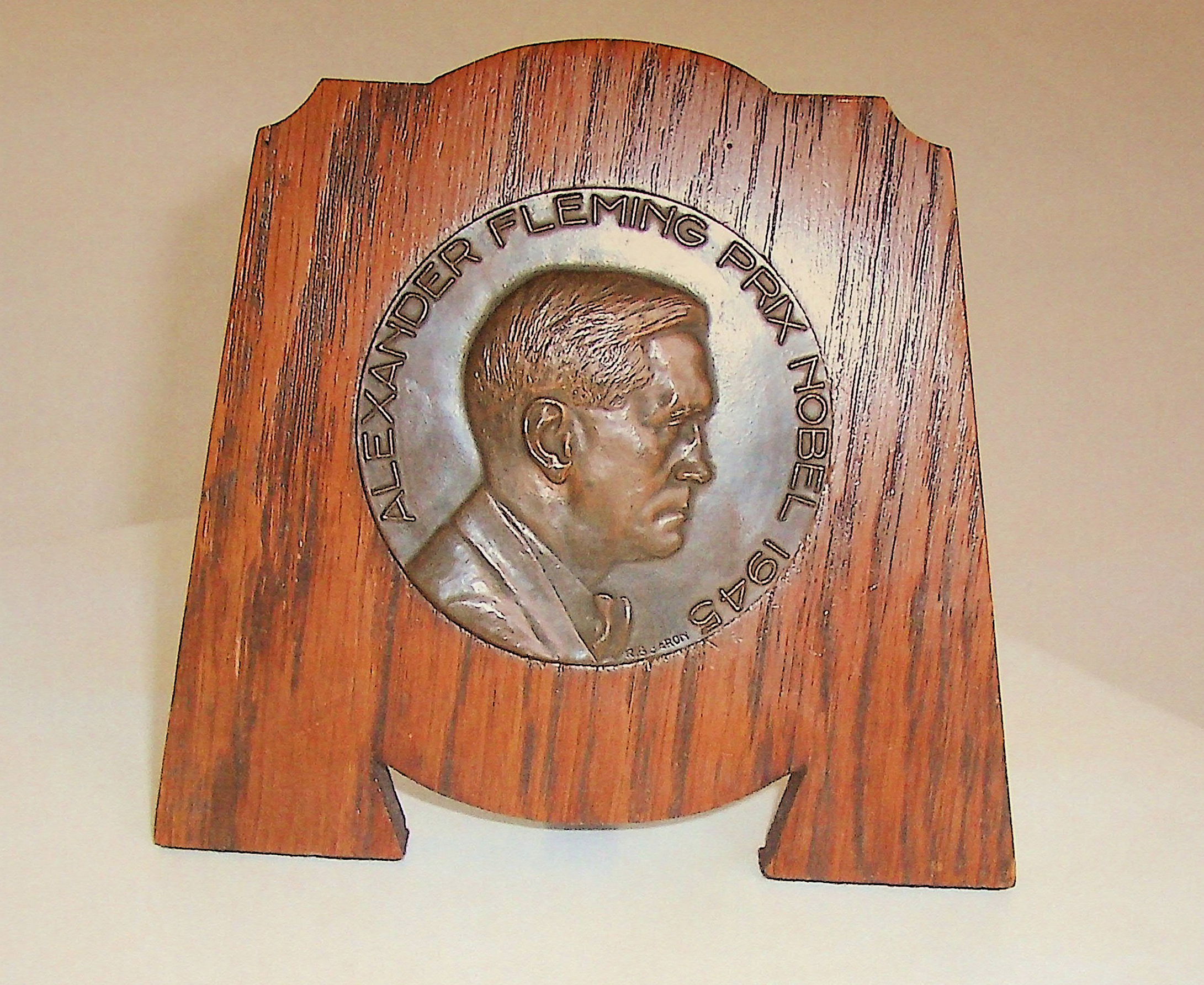
On what proved to be his last official visit to Darvel, Fleming presented Frank Donnelly—the Dux of Darvel School—with the first Fleming Medal for academic achievement.

The wooden Fleming Medal award with a portrait of Alexander Fleming
The Fleming Medal
07

Remembered in Darvel

The world
remembers the
discovery.
Darvel remembers the man.

The Fleming Medal carried his name into generations of Darvel classrooms, recognising the school’s highest academic achievement. It remains a local reminder that a life of international consequence began here, at Lochfield, in the upper Irvine Valley.

Explore more heritage

Sources

This page is based primarily on the biographical account published inNobel Lectures, Physiology or Medicine 1942–1962, Elsevier, 1964, originally prepared at the time of Fleming’s award. Nobel Prize details were checked against the Nobel Foundation’s official 1945 prize record. The record of Fleming’s 1952 visit and the first Fleming Medal is drawn from Discover Darvel’s local archive.